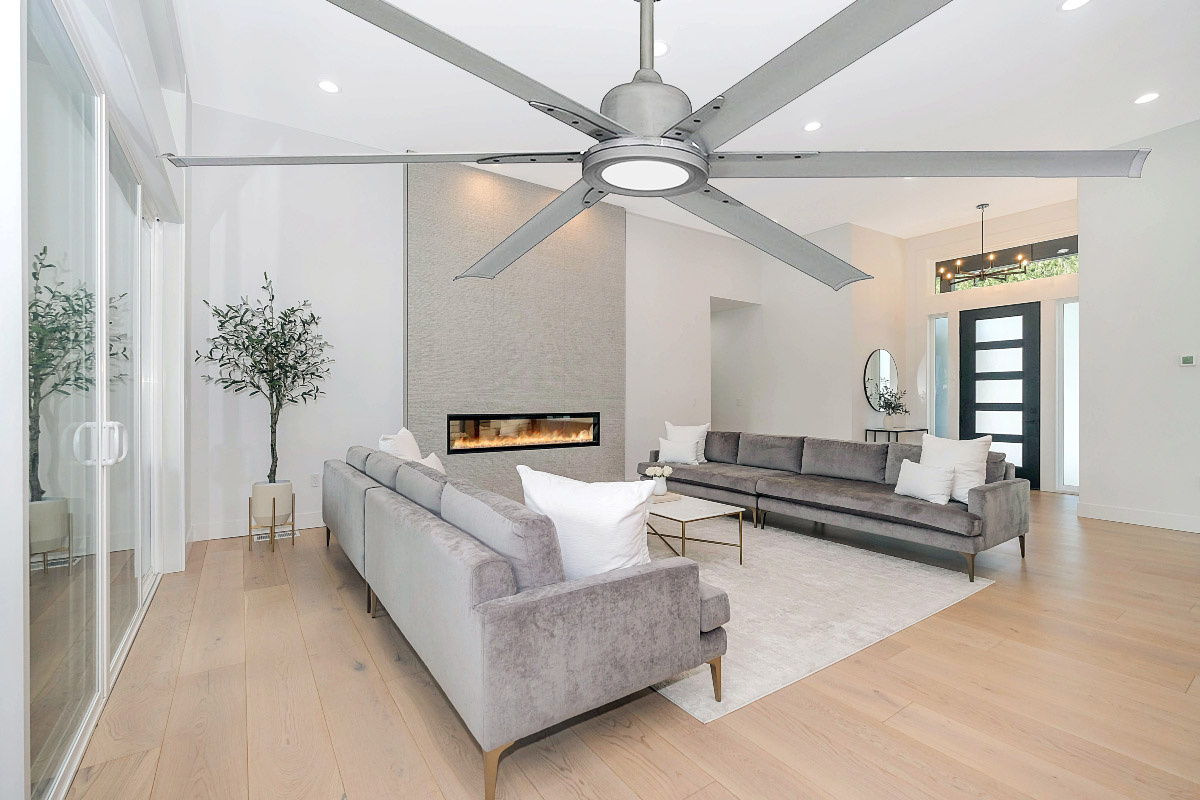
A giant ceiling fan is no longer just an industrial tool hidden in warehouses or factories. Today, it has become a symbol of smart design, energy efficiency, and modern comfort for large spaces. From shopping malls and airports to luxury villas and event halls, this powerful air circulation solution is transforming how people experience airflow in expansive environments. Unlike traditional fans that focus on speed, a giant ceiling fan emphasizes volume, moving massive amounts of air gently and consistently to create a comfortable atmosphere.
The concept behind a giant ceiling fan is simple yet revolutionary giant ceiling fan. Instead of producing harsh, concentrated airflow, it distributes air evenly across a wide area. This creates a cooling effect that feels natural and pleasant, similar to a light outdoor breeze. Because of this, occupants feel cooler even when the temperature remains the same. This psychological cooling effect allows building owners to reduce air conditioning usage, leading to significant energy savings over time.
One of the most appealing aspects of a giant ceiling fan is its versatility. These fans are designed to perform efficiently in a variety of environments. In commercial spaces such as shopping centers, they help maintain a comfortable climate for shoppers, encouraging longer visits and better customer satisfaction. In industrial facilities, they improve air circulation, reduce humidity, and enhance worker comfort, which can positively affect productivity and safety. Even in residential settings with high ceilings, a giant ceiling fan adds both functionality and visual impact.
Design plays a major role in the growing popularity of the giant ceiling fan. Modern models are crafted with sleek blades, minimalist hubs, and customizable finishes that complement contemporary architecture. Rather than looking bulky or purely functional, many of these fans act as statement pieces, enhancing the overall aesthetic of a space. Architects and interior designers often incorporate them as focal points, blending engineering excellence with visual elegance.
Energy efficiency is another reason why the giant ceiling fan is gaining widespread attention. Compared to multiple small fans or heavy reliance on air conditioning systems, a single large fan can cover an extensive area while consuming surprisingly low power. Advanced motor technology ensures smooth operation with minimal noise, making these fans suitable even for environments where silence is important, such as libraries, conference halls, or places of worship.
The role of a giant ceiling fan extends beyond cooling. During colder months, it can be used to redistribute warm air that naturally rises to the ceiling. By gently pushing this warm air back down, the fan helps maintain a balanced temperature throughout the space. This function reduces heating costs and ensures that warmth is not wasted near the ceiling, making the fan a year-round solution rather than a seasonal accessory.
Installation of a giant ceiling fan requires careful planning, but the long-term benefits often outweigh the initial effort. Ceiling height, structural support, and airflow patterns are all considered to ensure optimal performance. Once installed correctly, the fan operates reliably with minimal maintenance. High-quality materials and precision engineering contribute to durability, allowing these fans to function efficiently for years in demanding conditions.
Safety is another important aspect that manufacturers prioritize when designing a giant ceiling fan. Despite their large size, these fans are built with advanced safety features, including reinforced mounting systems and balanced blade designs. This ensures stable operation even at low speeds and minimizes vibration. As a result, users can enjoy consistent airflow without concerns about noise or structural stress.
In public spaces, a giant ceiling fan contributes to sustainability goals. By reducing dependence on energy-intensive cooling systems, it helps lower carbon emissions and operational costs. Many organizations choose these fans as part of their commitment to environmentally responsible building practices. The ability to maintain comfort while consuming less energy makes the giant ceiling fan an attractive option for green architecture projects.
The comfort created by a giant ceiling fan is not just physical but also psychological. People tend to feel more relaxed in spaces with gentle, continuous airflow. This subtle movement of air can improve mood, reduce feelings of stuffiness, and create a more welcoming environment. In hospitality venues such as restaurants or hotels, this enhanced comfort can directly influence customer satisfaction and repeat visits.
As technology continues to evolve, the future of the giant ceiling fan looks even more promising. Smart controls, remote operation, and integration with building management systems are becoming standard features. These advancements allow users to adjust speed, direction, and scheduling with ease, optimizing performance based on occupancy and time of day. Such innovations further strengthen the fan’s role as a modern comfort solution.
In conclusion, the giant ceiling fan represents a perfect balance between power, efficiency, and design. It addresses the challenges of cooling large spaces while offering aesthetic value and long-term cost savings. Whether used in commercial, industrial, or residential settings, it provides a reliable and sustainable way to enhance comfort. As more people recognize its benefits, the giant ceiling fan is set to remain a key element in the evolution of smart and efficient building design.